Space Weather in the Arts
Space weather doesn’t just shape planets and magnetic fields, it shows up in how we create. Across history and cultures, the Sun, aurorae, storms, and cycles of activity have influenced art, fashion, music, and performance, often without scientific language attached.
This page explores where heliophysics quietly enters human creativity.
1. Visual Art
Long before space weather had names or measurements, people were already depicting the Sun, light, storms, and cycles in visual form. Across cultures and centuries, solar imagery has appeared in paintings, carvings, murals, ceramics, and textiles.
NASA & ESA
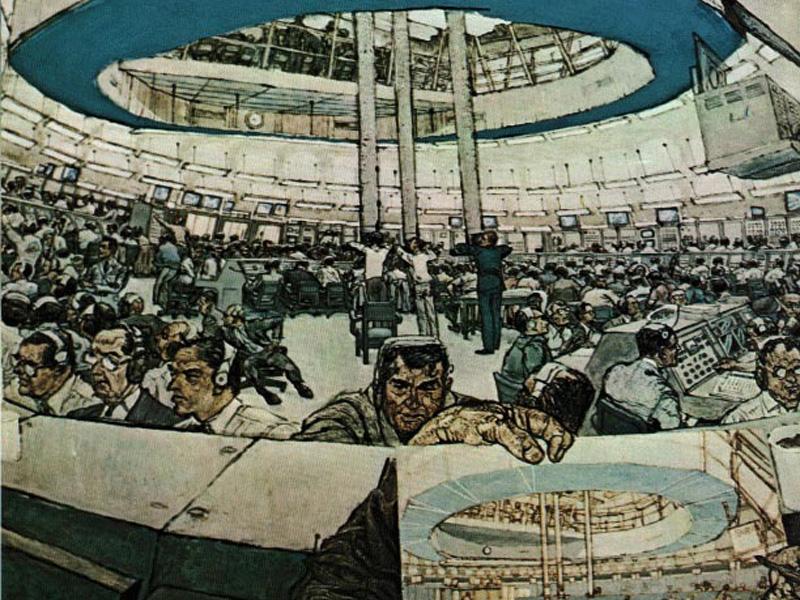
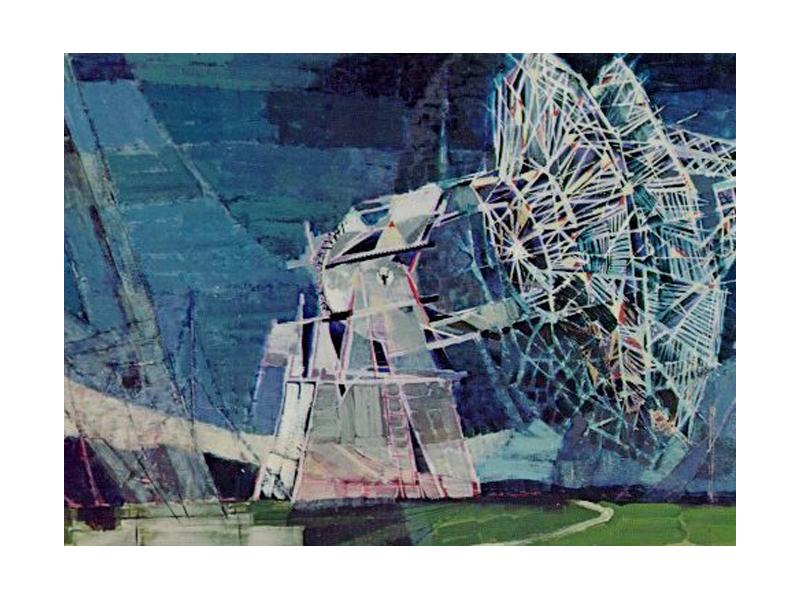
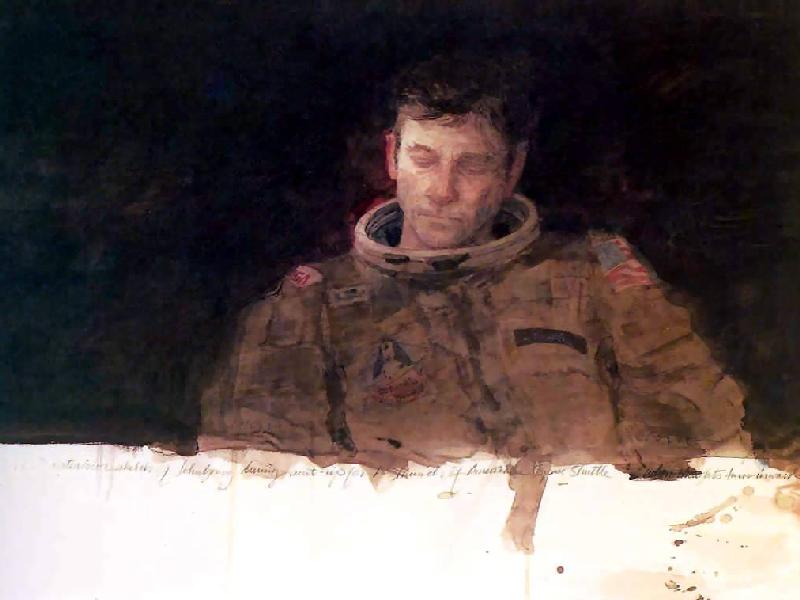
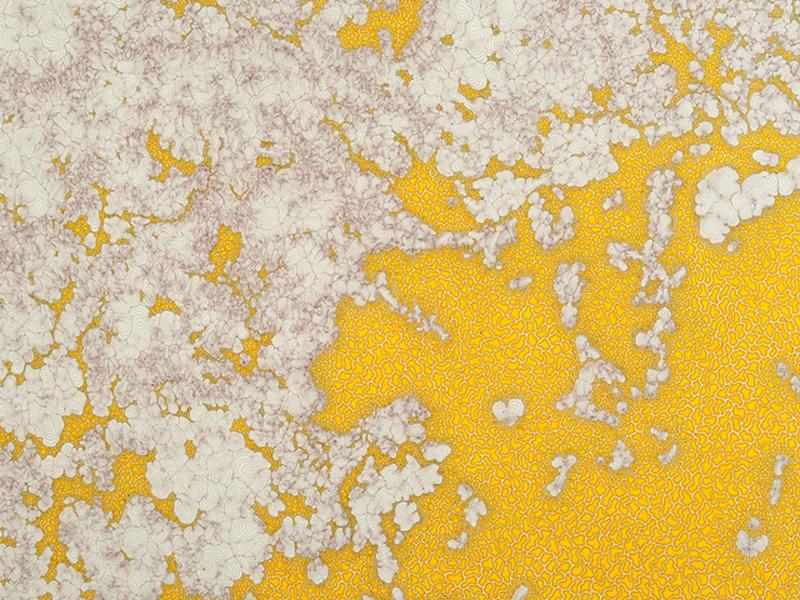
NASA and ESA both support art programs that connect human imagination to space exploration, not as illustrations of data, but as interpretive responses to missions, imagery, and the space environment. What you see below are examples of how heliophysics, solar exploration, and space science have inspired visual interpretation.
NASA Art Program
Since the 1960s, the NASA Art Program has documented spaceflight through the eyes of artists: painters, printmakers, sculptors, photographers, and multimedia creators working alongside missions and scientists.
More about this long-running collaboration here:
https://www.nasa.gov/collaborating-with-nasa/nasa-art-program/
(NASA Art Program – official site)
ESA Art & Culture in Space
The European Space Agency also explores the dynamic between art and space through its Art & Culture initiative, supporting collaborations that reflect on space, science, and the human condition.
Details and projects:
https://www.esa.int/About_Us/Art_Culture_in_Space
Featured work
Below is a curated selection of visual work inspired by space missions and solar themes. These are not scientific plots, they are visual interpretations grounded in space exploration.
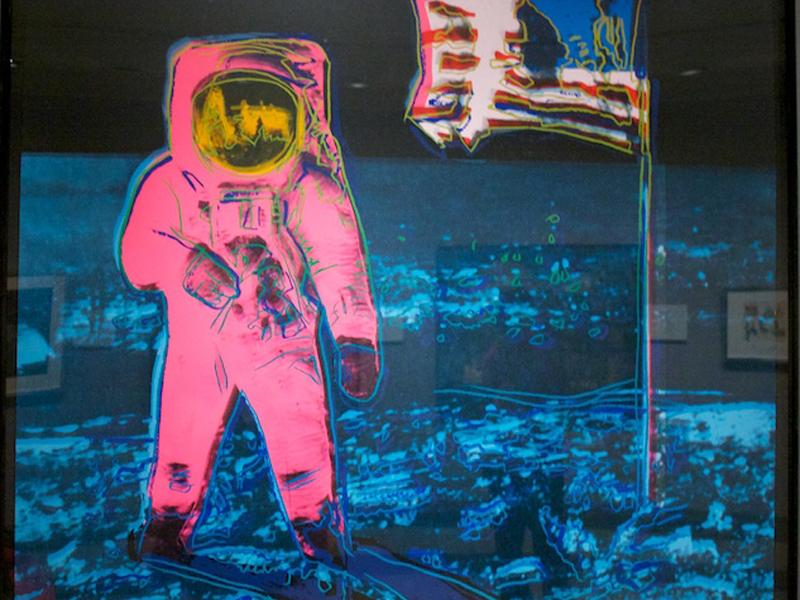
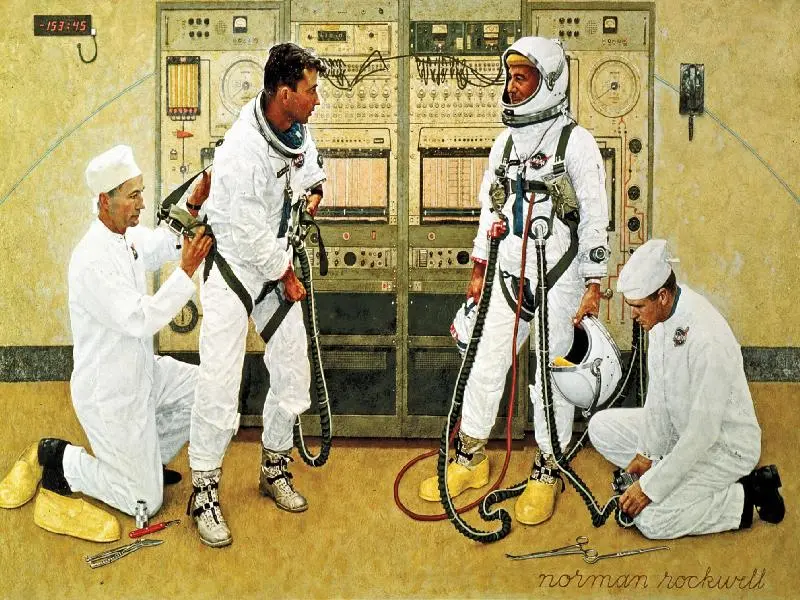
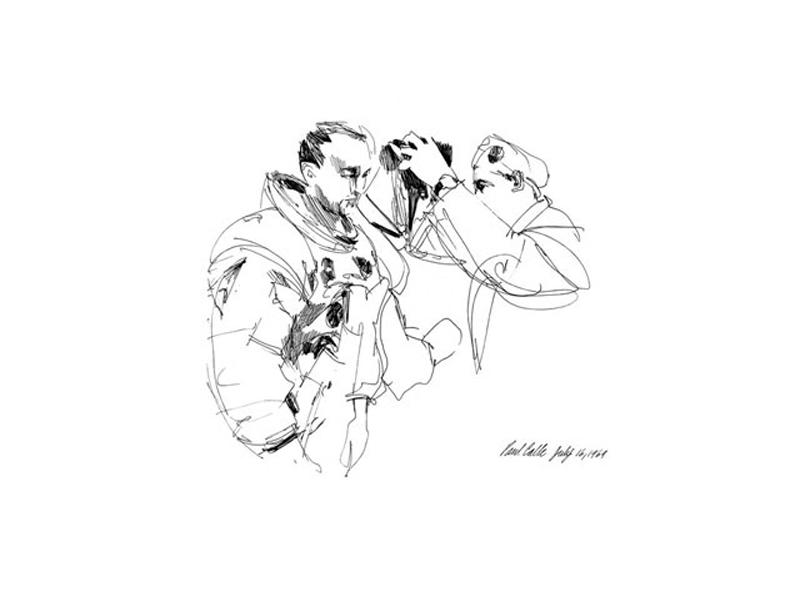
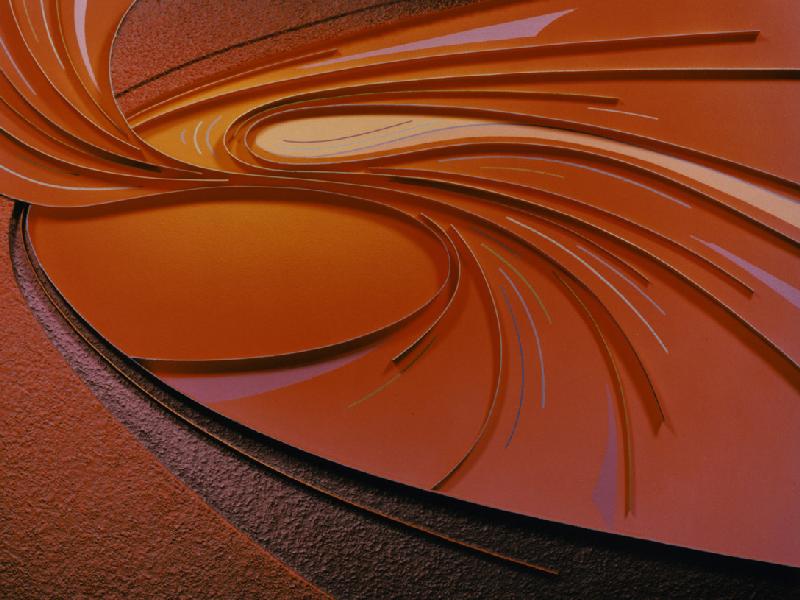
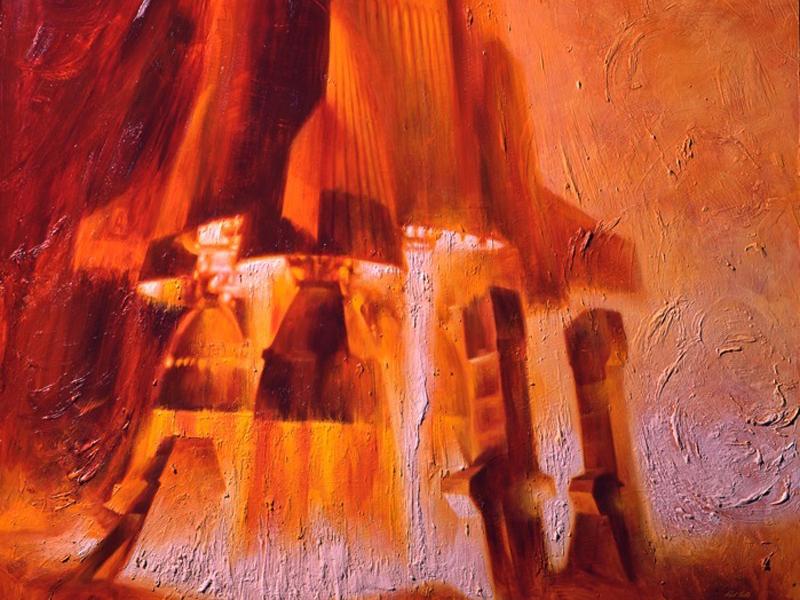
JPL “Visions of the Future” Posters
Retro travel-poster art imagining future destinations across the Solar System and beyond. View the full gallery →
Ancient & Cultural Solar Imagery
Long before the Sun was studied with instruments, it was understood through symbol, ritual, and story. Across cultures, solar imagery appears again and again: carved into stone, painted onto walls, woven into textiles, and embedded in calendars.
Folklore around solar events, especially eclipses, shows how deeply solar change shaped human imagination. Stories of the Sun being swallowed, stolen, or hidden appear across many traditions, reflecting the same human reaction: awe, uncertainty, and hope that the light will come back.
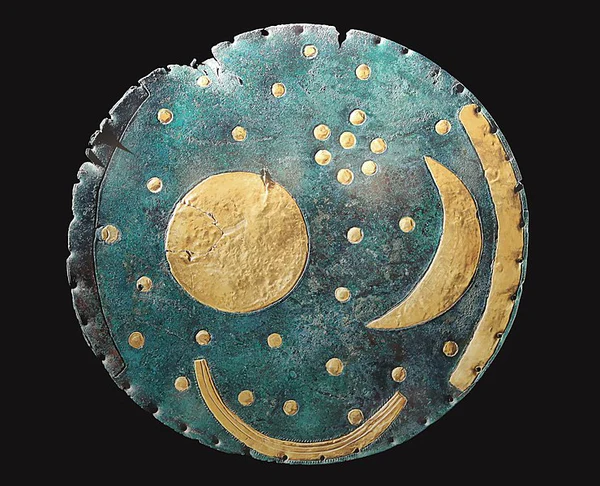
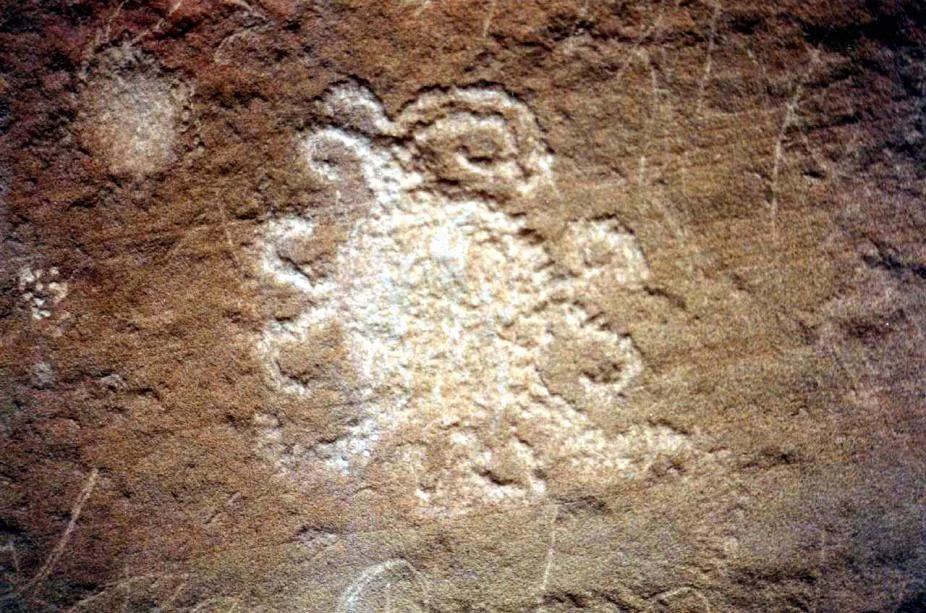
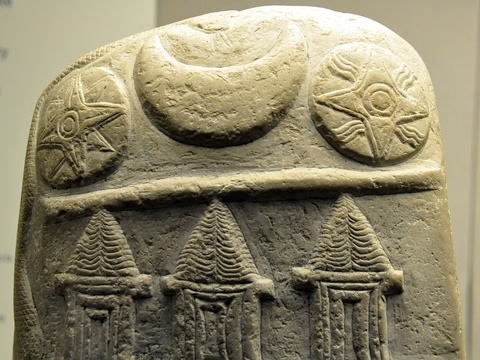
Images from: https://rugtherock.com/blogs/magazine/
Explore more Solar Folklore and ancient imagery
Stanford Solar Center, Solar Folklore
Myths, legends, and cultural stories about solar phenomena. https://solar-center.stanford.edu/folklore/
Smithsonian Folklife, “Swallowing the Sun”
A wonderful collection of eclipse folk stories and interpretations from around the world. https://folklife.si.edu/talkstory/swallowing-the-sun-folk-stories-about-the-solar-eclipse
2. Media and Pop Culture
Space weather appears in popular culture primarily as visual and narrative material rather than as detailed physics. Solar storms, aurorae, radiation, and variable solar activity are often used to convey scale, disruption, or environmental stress, recognizable signals that something external is influencing events.
These portrayals are not intended to be precise. Instead, they draw on familiar aspects of space weather: changing light, episodic activity, and the idea that solar behavior can affect systems beyond the Sun itself.
Solar Storms on Screen
In film and television, space weather most often appears as a narrative catalyst rather than a physical process. Solar flares, radiation, and geomagnetic disturbances are used to introduce external stress.
These portrayals typically compress timescales and amplify impacts. The Sun is presented less as a studied object and more as a variable background condition that can suddenly affect life on Earth or in space.
Common examples include:
- Sunshine (2007)
A destabilizing Sun forms the central premise of the film, with solar activity driving both the plot and visual language. - Knowing (2009)
A solar flare is used as an extinction-level event, framed as sudden, global, and unavoidable. - The Core (2003)
While focused on Earth’s interior, the film draws heavily on space-environment disruption and electromagnetic effects as plot drivers. - 2012 (2009)
Solar activity is cited as a trigger for cascading planetary instability, serving as a shorthand explanation for global catastrophe. - Star Trek (multiple series and films)
Solar flares and radiation storms frequently appear as hazards affecting spacecraft systems, navigation, or communication. - The Expanse (TV series)
Radiation exposure and solar conditions are treated more realistically than in many productions, influencing travel, risk, and survival in space.
Although the effects of space weather are often exaggerated or simplified for storytelling, the underlying ideas are usually rooted in real phenomena. By placing solar activity and space environments into familiar narratives, film and television help make space feel relevant and immediate. These portrayals can spark curiosity, invite further exploration, and serve as entry points for audiences who might not otherwise engage with space science.
Solar Music
References to space and solar activity appear frequently in music, particularly in electronic, ambient, and experimental genres. Rather than addressing scientific processes directly, artists tend to use space-related concepts as structural or organizational frameworks for sound and composition.
Some artists work more explicitly at the intersection of science and music. Composer and visual artist Yuval Avital, for example, has developed projects that translate astronomical imagery and energy into sound, using scientific sources as the basis for musical structure.
There are also long-standing examples of music created directly within scientific communities. “The Sun Song,” written and performed by AstroCappella (originally formed at NASA’s Goddard Space Flight Center), is part of a broader effort by scientists and engineers to create musically accurate, educational songs based on astronomical topics.
Other artists have taken a data-driven approach. Danish artist Thorbjørn Lausten has converted solar data from multiple solar cycles into both visual imagery and sound, treating solar variability as a source of pattern and rhythm rather than metaphor.
Space has long influenced music. Works such as Gustav Holst’s The Planets use astronomical themes to shape musical structure and mood rather than to represent space literally.
Gustav Holst – The Planets. Composition by Gustav Holst (public domain). Recording embedded via YouTube; rights retained by the performer and publisher.